
Community
Nursing pillows sold on Amazon recalled over suffocation risk
By Marcus Chen
Advertisement · Why this ad?
Katherine oversees editorial operations across all six brands. Before joining The Meridan Group, she spent 14 years at the Minneapolis Star Tribune, where she led the metro desk through its digital transformation. She holds a Master's in Journalism from Northwestern's Medill School.
More from Katherine →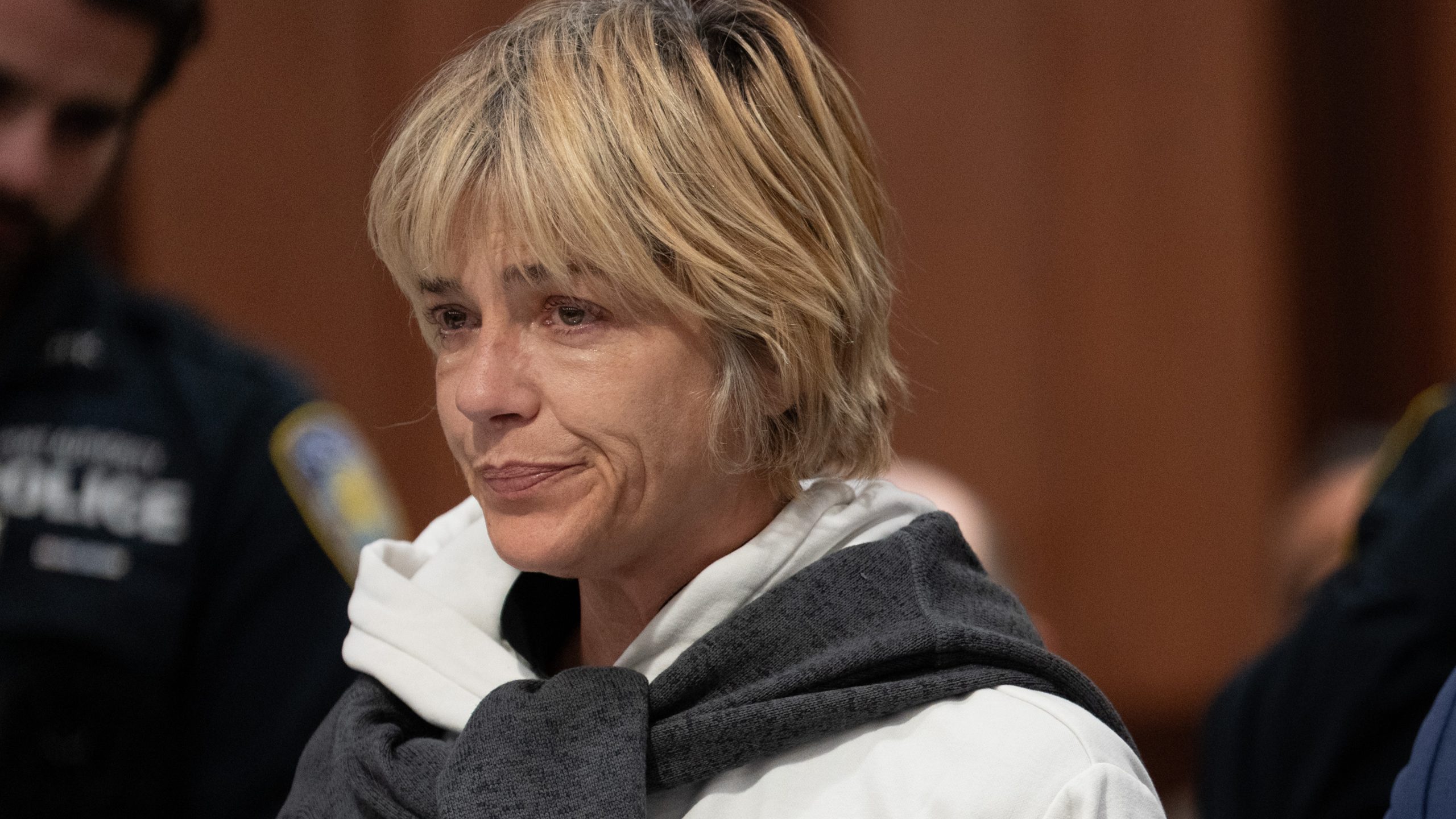
At the heart of a recent incident that has captured the attention of many, actress Selma Blair found herself in a moment of vulnerability and reflection. On a Delta flight, an alleged altercation led to her arrest, prompting a public apology that resonates with the complexities of human behavior and the pressures of public life. Blair, who is known for her roles in films like 'Legally Blonde' and her candid discussions about living with multiple sclerosis, expressed remorse, stating, 'I am so sorry' for any distress she may have caused.
On a seemingly routine flight, Selma Blair's actions led to an unexpected turn of events. Reports indicate that the incident occurred on a Delta Airlines flight, where Blair was taken into custody after an altercation that raised concerns among fellow passengers and crew members. The details surrounding the event remain somewhat unclear, but the outcome has placed Blair in the spotlight for reasons beyond her acting career.
Following the incident, Blair took to social media to express her feelings of regret. She emphasized that it was never her intention to hurt or frighten anyone aboard the flight. Her statements reflect a deep sense of accountability, which is particularly important in today's society where public figures often face intense scrutiny. Blair’s acknowledgment of the situation serves as a reminder of the importance of empathy and understanding in moments of crisis.
Blair's arrest comes at a time when the pressures of fame can often lead to overwhelming situations. As a public figure, she has been open about her struggles with multiple sclerosis, a condition that affects her daily life and can contribute to stress. The intersection of personal challenges and public expectations is a delicate balance that many celebrities navigate, and Blair’s recent experience sheds light on this reality.
In her apology, Blair mentioned the emotional toll that her health condition has taken on her life. Living with multiple sclerosis requires not only physical adjustments but also emotional resilience. Her openness about her struggles resonates with many individuals facing similar challenges, fostering a sense of community and understanding among those who deal with chronic illnesses.
The community's response to Blair's apology has been largely supportive. Many have expressed understanding, recognizing that everyone can have difficult moments. Social media platforms have become a space for fans and advocates of mental health to rally around her, reinforcing the idea that compassion is essential, especially for those in the public eye.
Local organizations focused on mental health and wellness have also weighed in, emphasizing the importance of support systems for individuals dealing with personal struggles. The Edina community, known for its strong family values and commitment to mental health advocacy, has shown solidarity with Blair, highlighting the need for compassion rather than condemnation.
Local mental health advocate and Edina resident, Dr. Emily Johnson, commented on the incident, stating, "It’s crucial that we remember that public figures are human too. They face challenges that may not be visible to us. Selma’s experience is a reminder that we all have our battles, and it’s okay to seek help." Dr. Johnson leads workshops in the community that focus on mental health awareness and resilience, emphasizing the importance of open dialogue about mental health issues.
In addition, community members have initiated discussions around the need for better mental health resources in public spaces, such as airports and airplanes, where stress levels can be high. Local forums have begun to explore how to create environments that are more supportive for individuals who may be struggling with mental health challenges.
Blair's public acknowledgment of her actions serves as a critical lesson in accountability. In an age where social media can amplify mistakes, her willingness to take responsibility is commendable. It is a reminder that accountability is not just about public image; it is about personal growth and the capacity to learn from one's experiences.
As families and individuals navigate their own challenges, the importance of accountability extends beyond public figures. It is a value that can strengthen relationships and foster a culture of trust within communities. Blair’s experience may serve as a catalyst for conversations about accountability, mental health, and the importance of seeking help during difficult times.
For those in the Edina community and beyond who may be struggling with mental health challenges, there are numerous resources available. Organizations such as the National Alliance on Mental Illness (NAMI) provide support and education for individuals and families affected by mental health issues. Additionally, local counseling services and support groups can offer a safe space for individuals to share their experiences and seek guidance.
Moreover, the Edina community is home to several initiatives aimed at promoting mental health awareness. The Edina Community Foundation works tirelessly to enhance the quality of life for residents, including programs focused on mental wellness. Engaging with these resources can help foster a supportive environment for those in need.
In light of Blair's incident, community leaders are advocating for the establishment of more comprehensive mental health programs within Edina. These initiatives aim to provide education on coping strategies, stress management, and the importance of seeking help. Local schools are also being encouraged to integrate mental health education into their curricula, ensuring that younger generations understand the significance of mental well-being.
As Selma Blair moves forward from this incident, her journey may serve as an important example for others. The act of apologizing and taking responsibility can be a powerful step toward healing—not just for the individual, but for the community as a whole. Blair’s story underscores the significance of compassion and understanding in our interactions with others.
In the coming weeks, it will be interesting to see how Blair continues to advocate for mental health awareness and support, particularly for those living with chronic illnesses. Her platform can play a crucial role in destigmatizing these conversations, encouraging others to share their experiences and seek help when needed. In doing so, she has the potential to inspire a movement toward greater empathy and support within our communities.
As the Edina community rallies around Blair, it is clear that this incident has sparked more than just a conversation about accountability; it has ignited a call to action for greater awareness and support for mental health issues. The potential for positive change is palpable, and as Blair continues to navigate her journey, she may well become a beacon of hope for many.
By Marcus Chen

By Marcus Chen

By Katherine Langford

By Katherine Langford